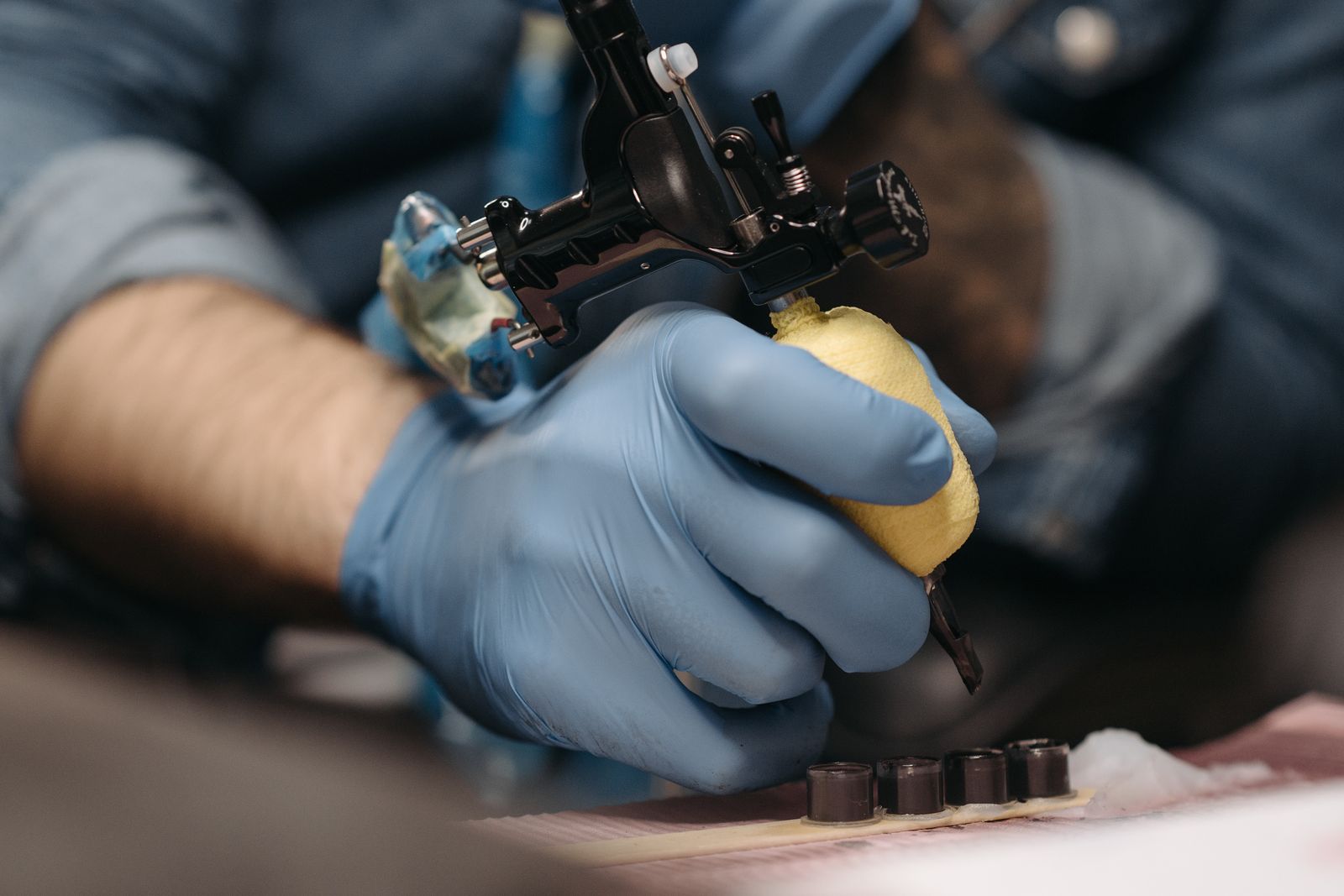
Planning · 6 min read · Marcus Reed
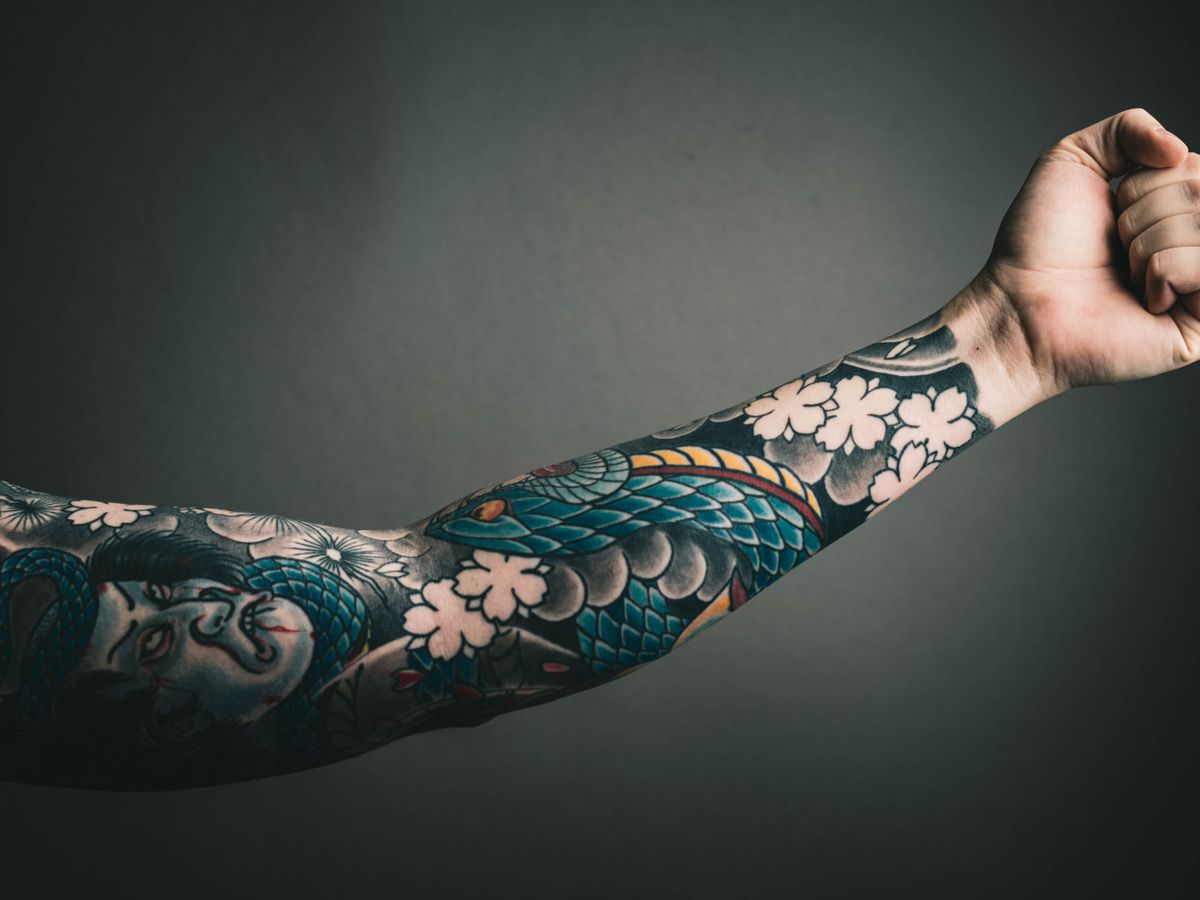
Most sleeve regrets aren't about the art — they're about the absence of a plan. A sleeve collected one flash piece at a time ends up a crowded shelf; a sleeve drawn as one composition ends up a story. Here's exactly how we plan the second kind.
Start with flow, not images
Bring references, but expect your artist to ignore half of them — lovingly. The first drawing isn't a collage of your ideas; it's a map of your arm's lines: where the deltoid caps, how the inner bicep twists, where the elbow breaks any design in half. Images get fitted to flow, never the reverse.
Budget the whole thing, then add sessions
We quote sleeves per project, not per hour, precisely so nobody stalls at session three for money reasons. A typical blackwork sleeve runs four to eight half-days. Space sessions three to six weeks apart — healing isn't downtime, it's part of the process.
Plan the whole arm on paper first. The drawing dictates the price, not the clock.
Leave one panel empty
Our standing advice: finish at ninety percent. A sleeve with one quiet panel looks confident; a sleeve crammed edge to edge looks anxious. That last panel is also where your next decade of ideas will want to live.
- Photograph your arm in daylight, flexed and relaxed, before the consult.
- Decide colour or black-and-grey before drawing starts — switching mid-sleeve costs sessions.
- Wear the same sleeve length to every session so placement photos stay comparable.